
Nutrition & Food Science
SJCians grow to become food ambassadors, wise consumers and innovators through hands-on culinary experiences and real-world learning.
Our Objectives
We encourage our students to be self-directed learners in the world of nutrition and food science, in the belief that they will continue to learn about nutrition and food long after they have left secondary school as a matter of necessity, hobby or professional pursuit.
Through the planned inclusion of Inquiry-Based Learning (IBL), Collaborative Learning (CoL), Experiential Learning (ExL), Design Thinking and Dialogic Talk in the crafting of our curriculum, our students develop their knowledge, skills and dispositions through a series of culinary and food-related challenges designed to encourage critical and creative thinking in the selection and preparation of food for different purposes in life.
At the heart of our curriculum is the use of Design Thinking and Dialogic Talk. Design Thinking provides students with a structured, human-centred approach to understanding needs, generating ideas, testing solutions and refining their thinking. Through authentic and real-world contexts, students develop critical, adaptive and inventive thinking skills, enabling them to respond creatively and confidently to contemporary challenges in nutrition, food science and everyday life.
Complementing this is our emphasis on Dialogic Talk, where purposeful classroom conversations encourage students to share ideas, listen actively, question perspectives and build on one another’s thinking. Through these rich interactions, students deepen their understanding of concepts while honing essential communication skills. They learn to articulate their reasoning clearly, engage in respectful discourse and collaborate effectively, skills that are invaluable both in school and beyond.
Our Programmes
Authentic and experiential learning experiences through:
A wide range of thematic questions exposing students to diverse topics, skills and methods, such as different types of food commodities, food science experiments, methods of cooking and emerging health trends.
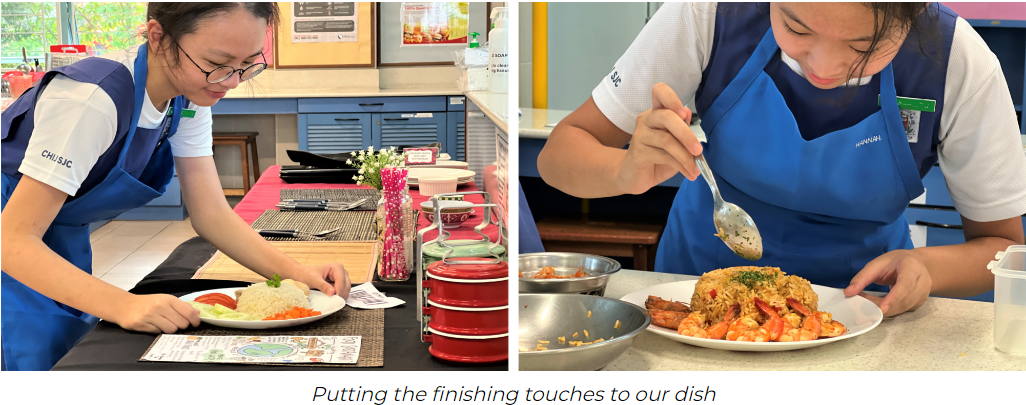
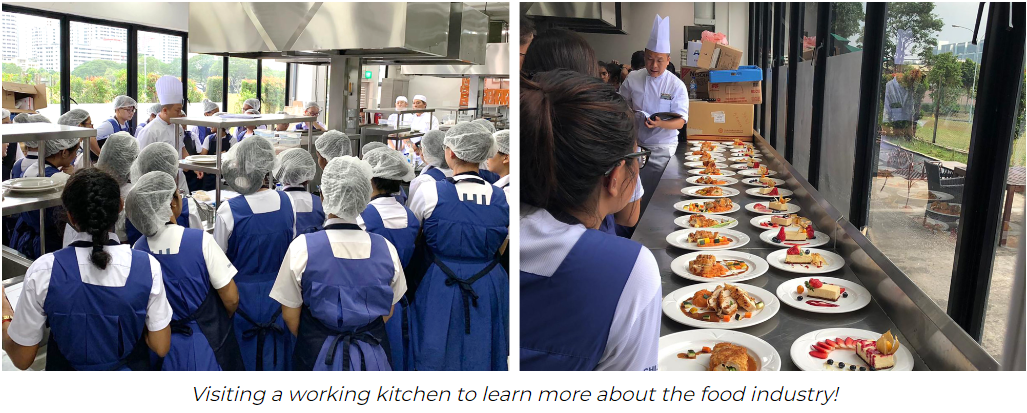
Opportunities to learn beyond the classroom through themed food competitions, workshops and talks by professionals in the food industry.
Design Thinking challenges that engage students in identifying real-world food and nutrition needs, generating innovative solutions, developing prototypes and refining ideas through feedback and reflection.
Cross-disciplinary learning through collaboration with other departments
Our Lower Secondary students see connections between Food & Consumer Education (FCE) and Outdoor Education lessons in Physical Education (PE) when they apply what they have learnt about food safety and cooking in FCE to outdoor cooking.
Students also engage in interdisciplinary learning experiences that encourage them to apply Design Thinking processes and problem-solving skills across different subject areas.
Self-directed learning through the use of information and communication technology
Students are able to carry out their FCE learning independently using Google Classroom and SLS.
Digital platforms support students in researching, documenting, sharing and reflecting on their learning, fostering greater ownership of their learning journey.
Dialogic learning through purposeful classroom discourse
Through structured discussions, collaborative inquiry and reflective conversations, students learn to communicate ideas effectively, challenge assumptions respectfully and build deeper understanding through collective thinking.
Dialogic Talk provides opportunities for students to justify decisions, evaluate perspectives and collaboratively solve authentic food- and nutrition-related problems.
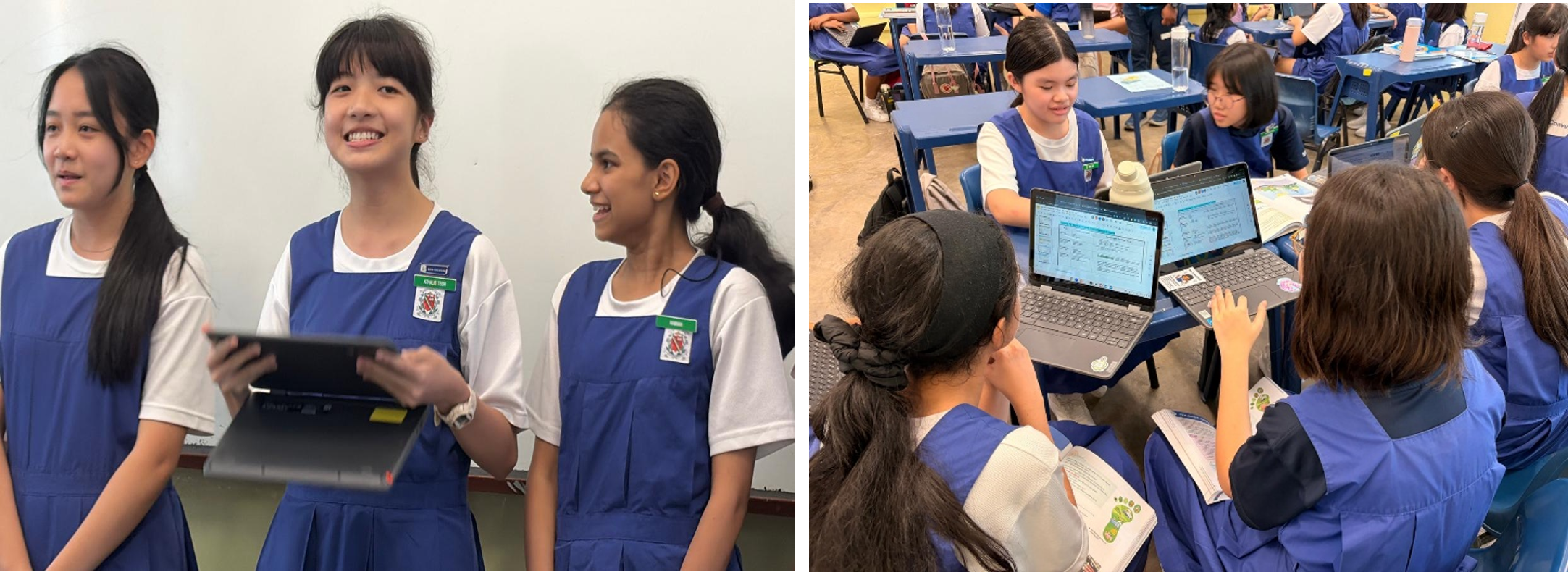
Collaborative minds at work. Students use Dialogic Talk to unpack assignments together, building on each other's ideas to sharpen essential communication skills.
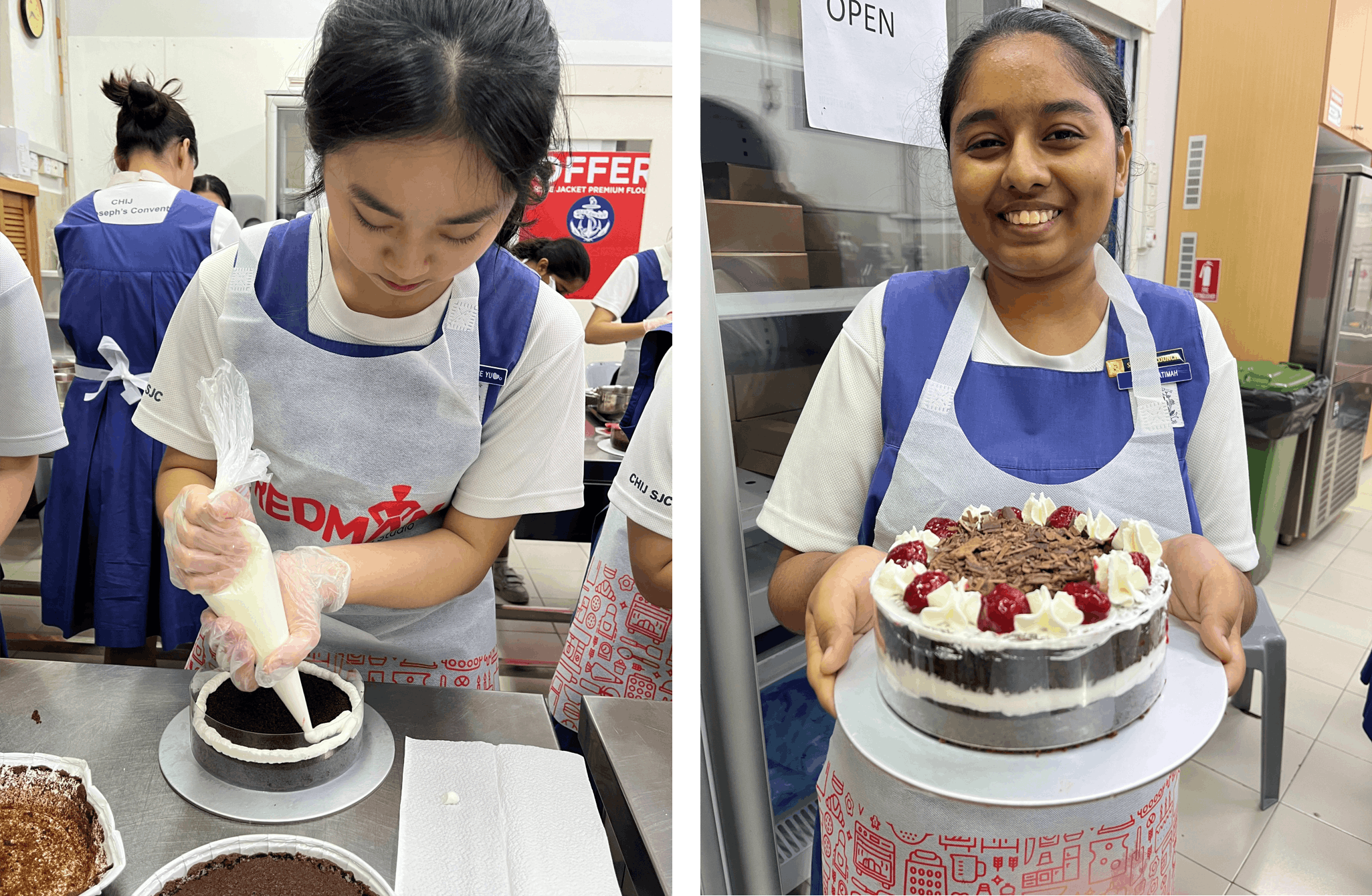
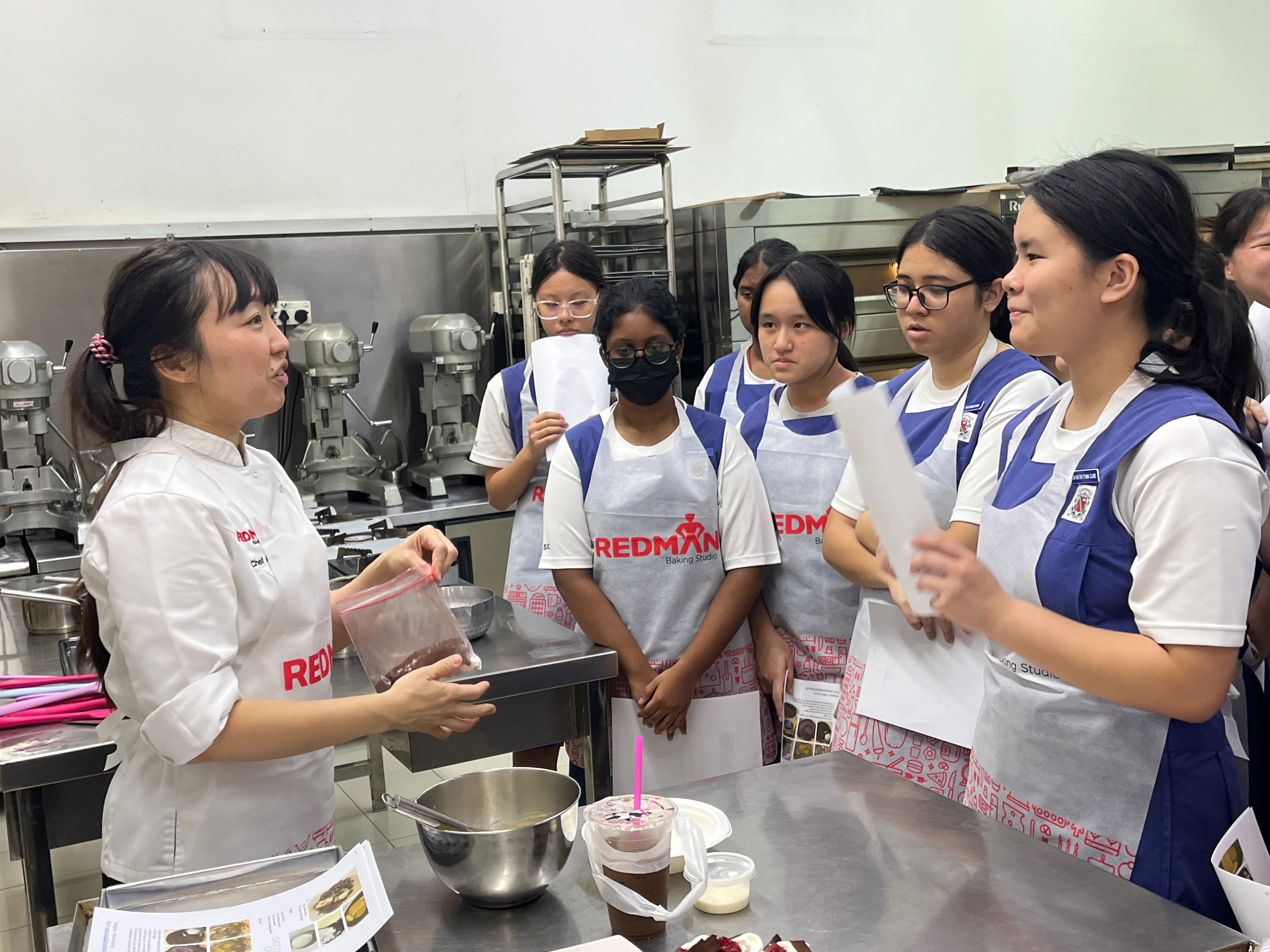
"Today, we learned how to make a fruit compote using the reduction method, bake a chocolate cake using the creaming method, and prepare a light, delicious cream for decorating the cake.
This cake was designed with teens in mind! The berry compote is packed with fruits like strawberries and raspberries, which are rich in essential vitamins and minerals, perfect for supporting a healthy diet. The dish also has vibrant colors, making it visually appealing for teens.
We especially enjoyed the cake decorating process, as it gave us a chance to showcase our creativity."
Vera and Nicole, 3H (2024)